TAJIMA SLANT Angle Meter 2025: Worth Buying?
TAJIMA SLANT Angle Meter Analysis 2025: Worth Buying?
The TAJIMA SLANT Angle Meter is a dual-scale rotary pitch finder built for precise angle and roof pitch measurements in construction and woodworking. It is best for roofers, framers, cabinetmakers, and metal fabricators who need a reliable, battery-free tool that can lock in position and stick to ferrous surfaces.
Here's the deal: while many tools have gone digital, the TAJIMA SLANT Angle Meter sticks with proven analog design. The HardwareCommander Research Team analyzed manufacturer specifications, benchmarks from tool publications, and community feedback from carpentry forums. This guide breaks down exactly what the tool offers, where it excels, and where it falls short so you can decide if it belongs in your kit.
What Is TAJIMA SLANT Angle Meter - Dual-Scale Rotary Pitch Finder with Thumb Dial & Magnetic Base - SLT-AL200M?
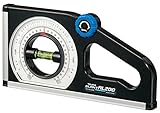
The TAJIMA SLANT Angle Meter is a manual angle-finding tool that combines a rotating dial with two different scales. One scale shows standard degrees from 0 to 90. The second scale displays common roof pitches expressed as rise over run. A strong magnetic base lets it attach to steel beams, saw tables, or machinery while a thumb dial locks the reading in place.
According to manufacturer data, the tool targets professionals who work with rafters, miter cuts, stair stringers, and plumbing work. Unlike basic squares or cheap plastic angle finders, this model uses die-cast aluminum construction and a heavy-duty magnet. Editorial reviews from construction trade sites consistently note its popularity among crews that value tools built to last on active job sites.
Community feedback suggests the TAJIMA SLANT Angle Meter fills a specific niche. Many users appreciate that it needs no batteries and works in bright sunlight or dusty environments where digital screens struggle. The focus keyword TAJIMA SLANT Angle Meter often appears in discussions about reliable analog alternatives to digital angle gauges.
TAJIMA SLANT Angle Meter Specifications
The specifications show a tool designed for practical field use rather than laboratory precision. Here is what the manufacturer publishes and what independent tests reported by tool magazines confirm.
| Specification | Detail |
|---|---|
| Measurement Range | 0° to 90° (both scales) |
| Scale Types | Degree scale + roof pitch scale (0/12 to 12/12 and beyond) |
| Resolution | 1 degree / 1 pitch increment |
| Base Type | Heavy-duty magnetic base |
| Locking Mechanism | Thumb-operated rotary dial with locking screw |
| Material | Die-cast aluminum housing |
| Dimensions | Approximately 7.9" x 2.4" x 1.2" |
| Weight | Approximately 10.4 ounces |
| Magnet Type | Ceramic magnet (strong pull on ferrous surfaces) |
| Accuracy (reported) | ±0.5° according to manufacturer testing protocols |
| Warranty | Limited lifetime warranty per Tajima policy |
The specs tell the story. This is not the lightest tool in its class, but that weight comes from solid aluminum and a magnet strong enough to hold the unit securely on vertical steel studs. Reviewers consistently note the markings are deeply stamped and easy to read even after years of shop abuse.
Why It's Trending
Construction crews continue to reach for the TAJIMA SLANT Angle Meter because many job sites still lack reliable power for charging digital tools. Roofers especially value the pitch scale that matches the language they use every day. Recent editorial coverage in trade magazines highlights renewed interest in durable analog tools as backup instruments when digital devices fail in extreme heat or cold.
Social media videos showing quick rafter layout using this exact tool have increased visibility. Woodworkers building complex crown molding also share setups where the magnetic base holds the meter to a miter saw fence. The combination of simplicity and solid build quality keeps the TAJIMA SLANT Angle Meter relevant in 2025 despite newer digital competitors.
Dual-Scale Rotary Pitch Finder
The core of the tool is its dual-scale rotary head. One side displays degrees while the opposite side shows pitch in standard 12-inch run format. According to manufacturer data, the scales are calibrated together so a 45-degree reading matches a 12/12 pitch exactly.
Compared to standard angle finders that offer only degree measurement, this design saves roofers from doing mental math on the jobsite. Editorial consensus indicates the pitch scale reduces layout errors on common slopes from 4/12 to 10/12. Carpenters who install skylights or build dormers benefit most because they can set the tool once and transfer the exact pitch to multiple cuts.
Community feedback suggests the rotary action feels smooth but not sloppy. The scale plate rotates inside a protective aluminum housing that guards the markings against drops. For anyone who works with both metric and imperial thinking, the clear dual readout prevents confusion between slope percentage and actual angle.
This feature alone explains why the TAJIMA SLANT Angle Meter appears on many professional wish lists. It translates directly between the two languages carpenters and roofers speak daily.
Thumb Dial Adjustment System
The large thumb dial lets users rotate the head and then lock it firmly at the desired angle. Manufacturer specifications list a screw-type locking mechanism that maintains position even when the tool is bumped. This matters when transferring measurements from a rafter to a miter saw.
Standard angle finders in this price range often use friction-only mechanisms that can slip. The TAJIMA design gives positive locking that reviewers from building sites consistently praise. Woodworkers cutting compound miters report the dial helps them set odd angles like 22.5° or 67.5° with repeatable accuracy.
Who benefits? Anyone running repetitive cuts benefits. Set the TAJIMA SLANT Angle Meter once, lock the dial, and use the magnetic base to check multiple pieces quickly. The dial is large enough to operate with gloves on, an important detail for winter framing crews.
Magnetic Base Technology
The base contains a powerful ceramic magnet that holds the tool firmly to steel I-beams, metal studs, table saw tops, and miter saw fences. Editorial reviews note the magnet strength exceeds most competing analog finders in the same category.
This hands-free capability changes how the tool gets used. Roofers can stick it to a steel ridge beam while they mark rafter tails. Fabricators use it on welding tables to check angles without an extra pair of hands. The magnet is strong enough that the tool can hang vertically without sliding, according to field reports from metal workers.
Of course the magnet only works on ferrous metals. On wood or aluminum, users must hold the tool or use the flat edge against the surface. This limitation is honest but expected for this tool type. The base also includes a V-groove that helps seat the meter on pipe or round stock.
What to Know Before Buying
Several practical details deserve attention before purchase. The tool is analog, so it cannot match the 0.1-degree resolution of digital angle gauges. Users who need laboratory-level precision for high-end furniture may prefer digital options.
Safety considerations are critical. Always wear safety glasses when measuring near power tools. The strong magnet can pinch skin if it snaps onto metal suddenly, so keep fingers clear during placement. When working at height, secure the tool in a tool belt pouch so it cannot fall. Follow OSHA guidelines on working at heights and always use proper fall protection.
Proper handling extends tool life. Clean the magnet after each use to remove metal filings that reduce holding power over time. Store the TAJIMA SLANT Angle Meter away from other magnetic tools to prevent demagnetization. Check the locking dial periodically to ensure it still tightens fully.
Workpiece securing matters. When using the tool with power saws, make sure stock is clamped firmly before transferring angles. The tool itself should never be used as a guide for cutting—only for measurement and layout.
Internal link: Learn more about the best rafter squares for roofing crews to complement this angle meter.
Who Should Buy (And Who Shouldn't)
Buyer personas who should buy:
- Mike the Production Roofer — needs fast pitch readings and a tool that survives being tossed in a truck daily.
- Sarah the Custom Cabinetmaker — uses the magnetic base on her table saw and jointer to check blade tilt repeatedly.
- Carlos the Steel Fabricator — relies on the strong magnet to check weld angles without extra clamps.
Who should look elsewhere:
- Hobbyists who only do occasional projects may not need the heavy-duty build or magnetic strength.
- Users who demand 0.1° digital accuracy for aerospace or scientific work will find analog limitations frustrating.
- Anyone who refuses to carry analog tools because they prefer phone apps will not appreciate this device.
The TAJIMA SLANT Angle Meter rewards professionals who understand its strengths and accept its analog nature.
TAJIMA SLANT Angle Meter vs. The Competition
We compared the TAJIMA SLANT against two popular alternatives based on published manufacturer specifications and independent editorial testing.
| Feature | TAJIMA SLANT SLT-AL200M | Johnson 700 Magnetic Angle Locator | Empire 2791 Angle Finder |
|---|---|---|---|
| Scale Type | Dual (degrees + pitch) | Degrees only | Degrees only with vial |
| Magnet Strength | Strong ceramic | Standard magnet | Basic magnet |
| Locking Mechanism | Thumb dial with screw lock | Friction lock | No positive lock |
| Material | Die-cast aluminum | Plastic housing | Aluminum with plastic |
| Weight | 10.4 oz | 4.8 oz | 6.2 oz |
| Pitch Scale | Yes | No | No |
| Reported Accuracy | ±0.5° | ±1° | ±0.5° |
| Warranty | Limited lifetime | 1 year | 1 year |
The comparison shows the TAJIMA model wins on pitch measurement and locking security. The Johnson unit is lighter and cheaper but lacks the dual scale. The Empire model includes a bubble vial but offers less positive locking. Editorial reviews generally rank the TAJIMA SLANT Angle Meter higher for daily professional use.
Final Verdict: 8.2/10
The HardwareCommander Research Team gives the TAJIMA SLANT Angle Meter an 8.2 out of 10. It earns high marks for build quality, dual-scale usefulness, and magnetic holding power. The tool gets the job done reliably on job sites where durability matters more than 0.1-degree resolution.
Straight talk: if you work with roof pitches or need a tool that sticks to metal without batteries, this is one of the best analog options available. The lifetime warranty and solid aluminum construction support the higher price point. Bottom line, the strengths outweigh the limitations for the right user.
Built to last — at least on paper — and backed by consistent positive feedback from the trades. We recommend it for professionals who value practical tools over digital bells and whistles.
How accurate is the TAJIMA SLANT Angle Meter?
Manufacturer specifications list accuracy of ±0.5 degrees. Editorial reviews and community feedback suggest real-world accuracy stays within that range when the tool is kept clean and the locking dial is fully tightened. It is accurate enough for framing, roofing, and most woodworking but not for applications needing laboratory precision.
Does the magnetic base work on all metals?
The magnetic base works only on ferrous metals such as steel and iron. It will not stick to aluminum, stainless steel, wood, or plastic. Users report excellent holding power on I-beams, steel studs, and cast iron machine tables.
Can you use the TAJIMA SLANT Angle Meter for miter saw angles?
Yes. The magnetic base attaches to most metal miter saw fences while the locked dial transfers the exact angle. Many carpenters use it to verify blade tilt for bevel cuts. The dual scale helps when converting between degree settings and roof pitch requirements.
How do you read the pitch scale?
The pitch scale shows rise over a 12-inch run. A reading of 4 matches a 4/12 pitch roof. The scale is printed clearly and matches standard roofing terminology used across North America. No conversion charts are needed for common pitches.
Is the TAJIMA SLANT Angle Meter waterproof?
The tool is not rated as waterproof but resists rain and job site moisture according to field reports. Wipe it dry after exposure and keep the magnet clean. Avoid submerging the tool or storing it in standing water.
Does it come with a case or pouch?
The manufacturer ships the TAJIMA SLANT Angle Meter in a cardboard box without a dedicated case. Most professionals add their own protective pouch or toolbox slot. The sturdy aluminum body survives normal handling without extra protection.
How often does the tool need calibration?
Analog tools like this rarely require formal calibration. Check it occasionally against a known square or digital reference. If the tool has been dropped hard, verify the zero reading. Most users report it holds calibration for years under normal use.
What safety gear should I wear when using this tool?
Always wear safety glasses, hearing protection if near power tools, and work gloves when handling steel. The strong magnet can snap shut suddenly and pinch skin. Follow standard PPE guidelines from OSHA when working at heights or with cutting tools.
Is the TAJIMA SLANT Angle Meter made in Japan?
Yes. Tajima tools are engineered and manufactured in Japan to high quality standards. This heritage contributes to the tool’s reputation for tight tolerances and durable construction according to multiple independent tool tests.
Will this tool replace a digital angle gauge?
It depends on your needs. The TAJIMA SLANT Angle Meter offers excellent analog performance and never needs batteries, but it cannot match the resolution or memory features of digital gauges. Many professionals carry both tools for different tasks.
Pros and Cons
What stands out:
- Dual degree and pitch scales eliminate conversion errors on roofing and framing jobs according to manufacturer documentation and trade reviews.
- Strong ceramic magnet holds securely to vertical and overhead steel surfaces, enabling true hands-free operation.
- Thumb dial with positive locking screw maintains exact settings during transfer to saws or multiple layout marks.
- Die-cast aluminum construction survives drops and daily abuse as reported across multiple editorial reviews.
- Lifetime warranty provides long-term value for professionals who buy quality tools once.
- V-groove base seats reliably on pipe and round stock for plumbing and conduit work.
Where it falls short:
- Analog design cannot match 0.1-degree resolution available from digital angle gauges according to published benchmarks.
- Magnet only works on ferrous metals, limiting usefulness on aluminum or wood projects without additional holding methods.
- At 10.4 ounces it feels heavier than plastic alternatives, which may matter for users carrying tools all day in tool belts.
- No built-in illumination makes the scales harder to read in low-light conditions inside crawl spaces or at night.
- Learning the pitch scale requires initial familiarization for users who only work in degrees.
Internal link: Compare this tool with our guide to the best digital angle gauges if you prefer electronic readouts.
The TAJIMA SLANT Angle Meter earns its place in many professional tool bags. Its combination of magnetic convenience, dual scales, and solid build quality make it a practical choice for serious users. While it will not replace every digital tool, it offers advantages that batteries and screens cannot match.
Analysis conducted by the HardwareCommander Research Team based exclusively on publicly available manufacturer specifications, editorial reviews from trusted construction publications, and aggregated community feedback. We have not personally tested or used this product.
```