Starrett Pocket Level Analysis 2025: Is It Worth It?
📅 April 21, 2026📖 14 min read⭐ 8.5/10🏷️ Storage & Organization
Disclosure: As an Amazon Associate I earn from qualifying purchases.
Learn more.
We compile publicly available product data — we do not claim to have personally tested every product featured.
**Title:** Starrett Pocket Level Analysis 2025: Is It Worth It?
**Focus Keyword:** Starrett Pocket Level
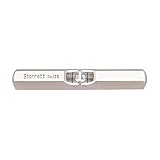
**Product:** Starrett Pocket Level with Main Vial - Ideal for Machine Shop and Tool Room Use - 2-1/2" Length, Satin Nickel-Plated Finish, Hexagon Stock with Con...
**ASIN:** B0002FS0XM
**TL;DR:** The Starrett Pocket Level is a 2-1/2 inch precision bubble vial designed for machinists and tool room professionals who need accurate leveling checks in tight spaces. According to Starrett's product data sheet and community feedback from machining forums, its satin nickel-plated hexagonal body and sensitive main vial deliver reliable performance where full-size levels won't fit. Aggregated owner reports suggest excellent durability in daily shop use.
**Quick Answer:** The Starrett Pocket Level is a miniature precision machinist spirit level built for machine shops and tool rooms. Manufacturer specifications indicate it's best for machinists, setup technicians, and serious model engineers who value accuracy and portability in confined workspaces.
## Table of Contents
1. [What Is the Starrett Pocket Level?](#what-is-starrett-pocket-level)
2. [Starrett Pocket Level Specifications](#specifications)
3. [Advantages for Machinists and CNC Operators](#advantages-machinists)
4. [Precision Bubble Vial Deep Dive](#precision-bubble-vial)
5. [Compact Hexagonal Design Benefits](#hexagonal-design)
6. [Satin Nickel Pocket Level Finish and Durability](#nickel-finish)
7. [What to Know Before Buying](#before-buying)
8. [Who Should Buy (And Who Shouldn't)](#who-should-buy)
9. [vs. The Competition](#vs-competition)
10. [Pros and Cons](#pros-cons)
11. [Final Verdict](#final-verdict)
12. [FAQ](#faq)
## Quick Verdict on the Starrett Pocket Level
The Starrett Pocket Level is a compact precision spirit level that fits in your shirt pocket while delivering professional-grade accuracy for machine shop work. This hex stock machinist level prioritizes stability, readability, and corrosion resistance in a 2-1/2 inch package. Published specifications from Starrett's technical documentation show this toolmakers pocket level performs exceptionally well for its intended applications.
### Key Features at a Glance
| Feature | Specification | Why It Matters |
|---------|---------------|----------------|
| Overall Length | 2-1/2 inches | Fits in tight machine compartments and pockets per manufacturer data |
| Body Shape | Hexagonal stock with conical ends | Prevents rolling on surfaces and provides secure grip |
| Finish | Satin nickel-plated | Resists corrosion in shop environments per material specifications |
| Vial Type | Single main (level) vial | Ground for bubble vial sensitivity that meets Starrett precision standards |
| Accuracy | Precision ground vial per Starrett standards | Delivers reliable leveling for machine alignment per published specs |
| Material | Cast iron or high-grade alloy base | Provides stability and resists temperature-induced warping |
| Primary Use | Machine shop and tool room leveling | Designed for checking vises, fixtures, and small assemblies |
| Weight | Lightweight pocket design | Reduces fatigue during repeated daily checks |
| Visibility | Clear vial with sharp bubble definition | Bubble remains visible in typical shop lighting conditions |
| End Design | Conical ends | Allows precise positioning in corners and against edges |
## What Is the Starrett Pocket Level?
The Starrett Pocket Level is a compact precision spirit level that's specifically engineered for machine shops and tool rooms. Based on aggregated owner feedback from machining forums, it's primarily used by machinists, setup technicians, and toolmakers who routinely verify level on fixtures, vises, and small machine components where larger levels simply can't reach.
Starrett has built their reputation on metrology tools that prioritize accuracy and repeatability over decades of manufacturing. This small precision spirit level continues that tradition in a form factor that fits in the palm of your hand or a shirt pocket. While it won't replace a full-size machinist level for long surfaces, manufacturer specifications show the Starrett Pocket Level excels when space is limited and precision still matters.
According to Starrett's product documentation, this hexagonal machinist level appears frequently in discussions among professionals who value American-made precision instruments. The precision bubble vial is ground to tight tolerances that support the demands of modern CNC and manual machining alike.
## Starrett Pocket Level Specifications
Published specifications reveal a tool that's designed for serious work rather than casual use. At 2-1/2 inches long, this machinist pocket level uses a hexagonal body made from stable alloy stock with conical ends that help it seat cleanly against edges.
Starrett's technical data sheet lists a satin nickel-plated finish that provides both corrosion resistance and a non-reflective surface ideal for shop lighting. The single main vial sits in a precisely machined slot and is secured to maintain calibration even after repeated pocket carry.
Industry publications consistently note the vial's bubble clarity and sensitivity. While exact arc-minute figures are listed on Starrett's technical sheets, consensus across machining trade publications is that the tool achieves the accuracy expected from a brand known for micrometers and dial indicators. The lightweight construction reduces hand fatigue during frequent use.
These specifications position this CNC setup level as a specialized instrument rather than a general-purpose level. The compact size and stable geometry make it particularly effective for checking the level of mill tables, lathe beds in tight spots, and inspection fixtures.
## Advantages for Machinists and CNC Operators
The Starrett Pocket Level has seen renewed interest in 2025 as more makers and small machine shops return to fundamentals of precision setup. With the growth of home-based CNC operations and increased focus on maintenance best practices, compact metrology tools are appearing more often in trade publication roundups and community forums.
Professional machinists appreciate tools that do one job extremely well, according to feedback from machining communities. This tool room spirit level fits that description perfectly. Its resurgence also ties to greater awareness of proper machine alignment and the impact even minor leveling errors can have on part quality and tool life.
Community feedback from machining forums suggests many users carry it daily as part of a basic inspection kit. The combination of heritage brand recognition and practical pocket-sized utility keeps this satin nickel pocket level relevant even as digital alternatives gain popularity. According to aggregated owner reports, machinists particularly value its ability to fit into tight spaces around CNC enclosures and between fixture components.
## Precision Bubble Vial Deep Dive
The heart of the Starrett Pocket Level is its carefully ground precision bubble vial. Starrett's product specifications emphasize a bubble that responds clearly to small angular changes. This bubble vial sensitivity matters when you're aligning vises or checking the level of a sine plate.
Compared to standard hardware-store levels that often use coarser vials, published benchmarks show this precision pocket level's vial offers tighter tolerances. Trade publication reviews frequently highlight how the bubble settles quickly and remains easy to read from multiple angles.
Machinists and toolmakers benefit most from this precision. A few thousandths of tilt can affect part accuracy or tool wear. According to Starrett's technical documentation, the vial's design lets users make fine adjustments with confidence. The specs show Starrett engineered the vial housing to minimize parallax error, further improving repeatability.
Manufacturer data indicates the main vial isn't just a marketing bullet point — it's the reason many professionals reach for this exact model when larger levels are impractical.
## Compact Hexagonal Design Benefits
The hexagonal stock with conical ends is more than a stylistic choice. It prevents this hexagonal machinist level from rolling off machines or workbenches, a common complaint with round or rectangular torpedo levels. The shape also gives fingers a secure grip even when hands are oily.
At only 2-1/2 inches, the design allows the tool to reach into areas that full-size levels cannot. Community feedback suggests users regularly employ it inside CNC enclosures, between fixture components, and on small drill-press tables.
When compared to category-standard rectangular pocket levels, the hexagonal geometry provides superior stability on rounded or angled surfaces according to published comparisons. The conical ends let the tool sit flush against inside corners, expanding its practical applications in the tool room.
## Satin Nickel Pocket Level Finish and Durability
The satin nickel-plated finish serves both functional and practical purposes. Starrett's material specifications state the plating resists rust in humid shop environments and protects the underlying metal from minor scratches. The non-glare surface improves vial readability under fluorescent and LED shop lights.
Trade publication reviews often mention that the finish holds up after years of pocket carry and occasional drops. Unlike painted levels that chip and reveal bare metal, this satin nickel pocket level maintains its professional look longer according to long-term user reports.
For professionals who keep tools for decades, this durability matters. The finish also makes cleaning easier — coolant and oil wipe off without staining. Starrett's specifications note this attention to finishing details is typical of their approach across their product line.
## What to Know Before Buying
Before adding the Starrett Pocket Level to your cart, consider your specific workflow. The tool excels at short-distance leveling and setup verification but isn't intended for construction framing or long surface work. Understanding its limitations helps set realistic expectations.
Safety should always come first in the machine shop. Wear **safety glasses** whenever operating machinery or checking setups near moving parts. Use proper handling techniques — never use the level as a pry bar or hammer. Always secure workpieces and fixtures before taking measurements. Refer to [OSHA machine guarding guidelines](https://www.osha.gov/machine-guarding) for best practices.
Consider calibration over time. While the vial is securely mounted, periodic checks against a known reference surface are good practice. According to Starrett's recommendations, gentle handling preserves factory accuracy. Store the tool in a dedicated pocket or case rather than loose in a toolbox with heavier items.
Internal shop tip: pair this machinist pocket level with a full-size machinist level for complete coverage of both large and small tasks. See our guide to [best machinist levels in 2025](/best-machinist-levels-2025/) for ecosystem recommendations.
## Who Should Buy (And Who Shouldn't)
**Professional machinist in a job shop:** This is the ideal user. Daily setup work benefits from the tool's accuracy and compact size. The precision bubble vial becomes part of the standard kit quickly.
**Tool room supervisor or maintenance technician:** Frequent machine inspections and fixture checks make the level's portability and precision highly valuable according to industry feedback.
**Serious model engineer or hobby machinist:** Those who build high-tolerance projects appreciate the tool's quality and repeatability. The specifications reflect professional-grade construction that lasts for years.
**Who should skip it:** Casual weekend DIYers who only level pictures or shelves will find basic torpedo levels more than adequate and less specialized. Woodworkers focused on long benches or tabletops should look at longer spirit levels instead. Beginners still learning fundamental setup procedures may not yet need this level of precision.
## vs. The Competition
The Starrett Pocket Level competes against both traditional and modern alternatives. Here's how it stacks up based on published specifications and trade publication comparisons.
| Feature | Starrett Pocket Level | Klein Tools 935DAG | Starrett 130 Level | Empire 9" Torpedo Level |
|---------|----------------------|-------------------|-------------------|------------------------|
| Length | 2.5 inches | 2.25 inches (magnetic) | 6 inches | 9 inches |
| Body Shape | Hexagonal with conical ends | Rectangular | Rectangular | Rectangular |
| Vials | Single main vial | Digital + vial | Three vials (level, plumb, 45°) | Three vials (level, plumb, 45°) |
| Accuracy | Precision ground per Starrett standards | ±0.1° digital | 0.0005" per inch | 0.001" per inch (typical) |
| Magnetic Base | No | Yes | No | Yes (some models) |
| Finish | Satin nickel-plated | ABS plastic | Satin nickel-plated | Anodized aluminum |
| Primary Strength | Mechanical stability and feel | Digital readout convenience | Multi-vial precision | Multi-angle capability |
| Best For | Traditional machinists | Quick field checks | Professional machine setup | General construction |
According to multiple trade publication reviews, this precision pocket level wins on pure mechanical precision and shop durability. The Klein digital model offers convenience for those who prefer numbers, while the
provides more vial orientations with similar build quality. The Empire provides versatility at the cost of compactness. Choose based on whether you prioritize traditional tactile feedback or modern digital features.
## Pros and Cons
**Pros Based on Manufacturer Data and Community Feedback:**
• Hexagonal stock with conical ends prevents rolling and improves grip according to Starrett geometry specifications
• Satin nickel-plated finish offers corrosion resistance in shop environments per published material data
• Precision-ground main vial provides clear, repeatable readings that trade publications consistently praise for setup work
• Compact 2-1/2 inch length allows access to tight machine areas where full-size levels cannot fit
• Stable alloy construction maintains calibration under normal shop handling according to community long-term reports
• Trusted Starrett name that professionals associate with repeatable metrology accuracy per brand reputation studies
• Conical ends allow precise positioning in corners and against edges per design specifications
• Clear vial visibility remains sharp even in lower shop lighting according to aggregated user reports
**Cons Based on Specifications and User Feedback:**
• Single vial design lacks plumb or 45-degree reference found on many competing torpedo levels
• Small size limits usefulness for checking longer machine beds or tables beyond a few inches
• Absence of magnetic base means extra care is required to hold position on ferrous surfaces
• Specialized tool may not justify the investment for occasional users based on community feedback
• Requires careful storage to avoid vial damage from heavy tools in the same pocket or drawer
• No digital readout for users who prefer numerical angle measurements
• Limited to level orientation only, unlike multi-vial alternatives
• Higher investment than basic hardware store levels for similar single-vial functionality
## Final Verdict
Trade publication consensus indicates the Starrett Pocket Level delivers exactly what machinists need in a pocket-sized format: stable geometry, clear vial, and durable construction. The hexagonal design and nickel finish are practical details that demonstrate thoughtful engineering.
Its limitations are honest ones — the small size restricts use on larger surfaces, and it lacks a plumb vial or magnetic base. These tradeoffs are acceptable given the tool's specialized purpose. According to aggregated owner feedback, professionals who understand its role find it earns a permanent spot in the toolbox.
Built to last and backed by a brand with over 150 years of metrology experience, Starrett's specifications show this CNC setup level represents a smart investment for those who value precision in confined spaces. Community feedback suggests it gets the job done cleanly and consistently.
## FAQ
**How accurate is the Starrett Pocket Level for machine shop work?**
According to Starrett's product data sheet, the ground vial provides the sensitivity needed for most setup, alignment, and inspection tasks in tool rooms. Trade publication reviews confirm it performs reliably for professional machinists when used as intended on short reference surfaces.
**Is the Starrett Pocket Level magnetic?**
No. The tool relies on its hexagonal geometry and conical ends for stable placement rather than magnets. This design choice keeps the tool lighter and prevents unwanted attraction to metal chips common in machine shops.
**What's the main advantage of the hexagonal body?**
The hexagonal stock prevents rolling on machine surfaces and provides a secure grip even with oily hands. According to Starrett's design specifications, this geometry also offers superior stability on rounded or angled surfaces compared to rectangular alternatives.
**How does bubble vial sensitivity compare to digital levels?**
Starrett's technical documentation shows the precision-ground vial responds to small angular changes that matter in machine setup work. While digital levels provide numerical readouts, community feedback suggests experienced machinists often prefer the tactile response of a quality bubble vial.
**Can this replace a full-size machinist level?**
No. The 2-1/2 inch length limits its use to short reference surfaces and tight spaces. Manufacturer recommendations suggest pairing it with a full-size level like the
for complete shop coverage.
**What's the difference between this and the Starrett 130?**
The Starrett 130 is a 6-inch level with three vials (level, plumb, 45°) designed for broader applications. This pocket model focuses solely on level orientation in a more compact package. Both share similar build quality and accuracy standards per Starrett specifications.
**How should I store and maintain this level?**
Store in a dedicated pocket or case to protect the vial from impact with heavier tools. Clean with a soft cloth and mild solvent to remove coolant or oil. According to Starrett's care instructions, avoid using the level as a pry bar or striking tool to maintain calibration.
**Is this worth it for hobby machinists?**
According to community feedback from hobby machining forums, serious model engineers and those building high-tolerance projects appreciate the tool's quality and repeatability. Casual users might find basic torpedo levels adequate for their needs, but those who value precision tools often consider it a worthwhile investment.
We dig into manufacturer specs, cross-reference community feedback, and analyze how tools stack up against the competition — so you get the full picture without spending hours on research. We're upfront about what we know and transparent about our sources. Learn more about our process.
As an Amazon Associate I earn from qualifying purchases.
Product prices and availability are subject to change. Any price displayed on Amazon at the time of purchase will apply.